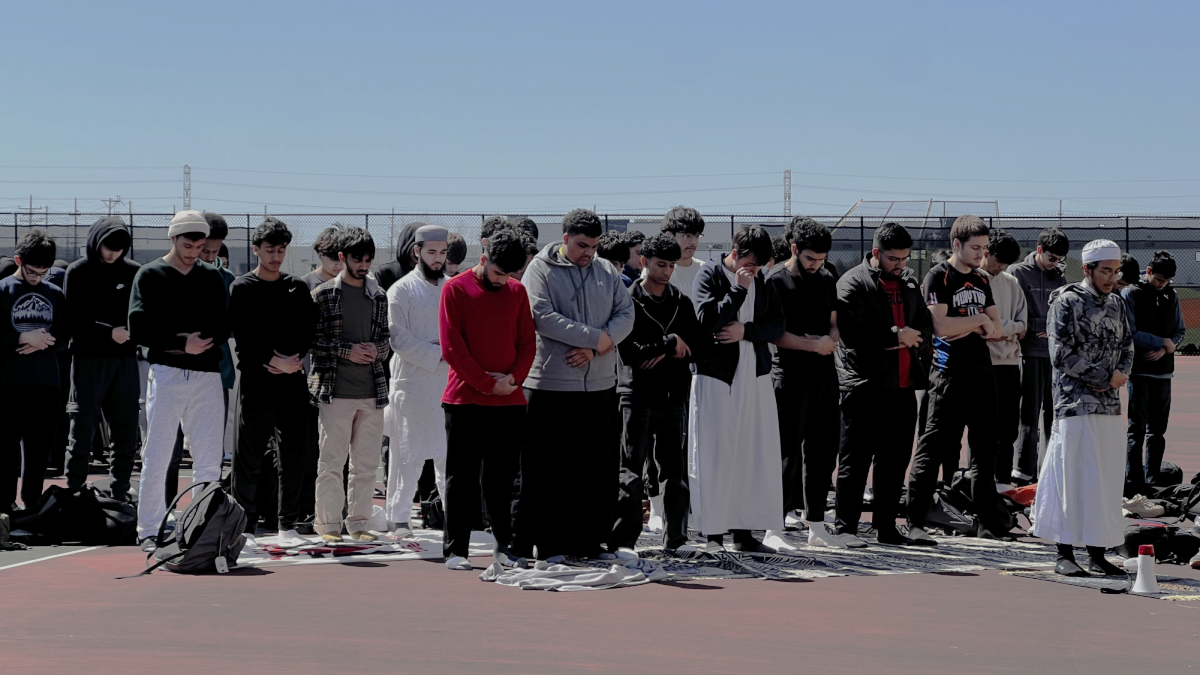
Discussion around the district calendar has reignited among students and staff following excessive absences on March 20 when many were absent from school for the Muslim holiday Eid al-Fitr, marking the end of the holy month of Ramadan.
The district calendar has been “religiously neutral” since 2017, meaning that religious holidays occurring on school days are not days off, though students can be excused by a parent and are allowed to make up the work that they missed. The district sees spikes in student and staff absences on Muslim and Jewish holidays. It is worthy to note that although the calendar claims to be religiously neutral, school is not held on major Christian holidays. Christmas always falls during winter break, and Easter is observed on a Sunday.
According to data obtained through a Freedom of Information Act (FOIA) request, 899 students were absent at West on Eid this year, about 35% of the entire student body. 1,549 students were absent across the district. 41 teachers were absent at West that day, with a total of 70 teacher absences across the district.
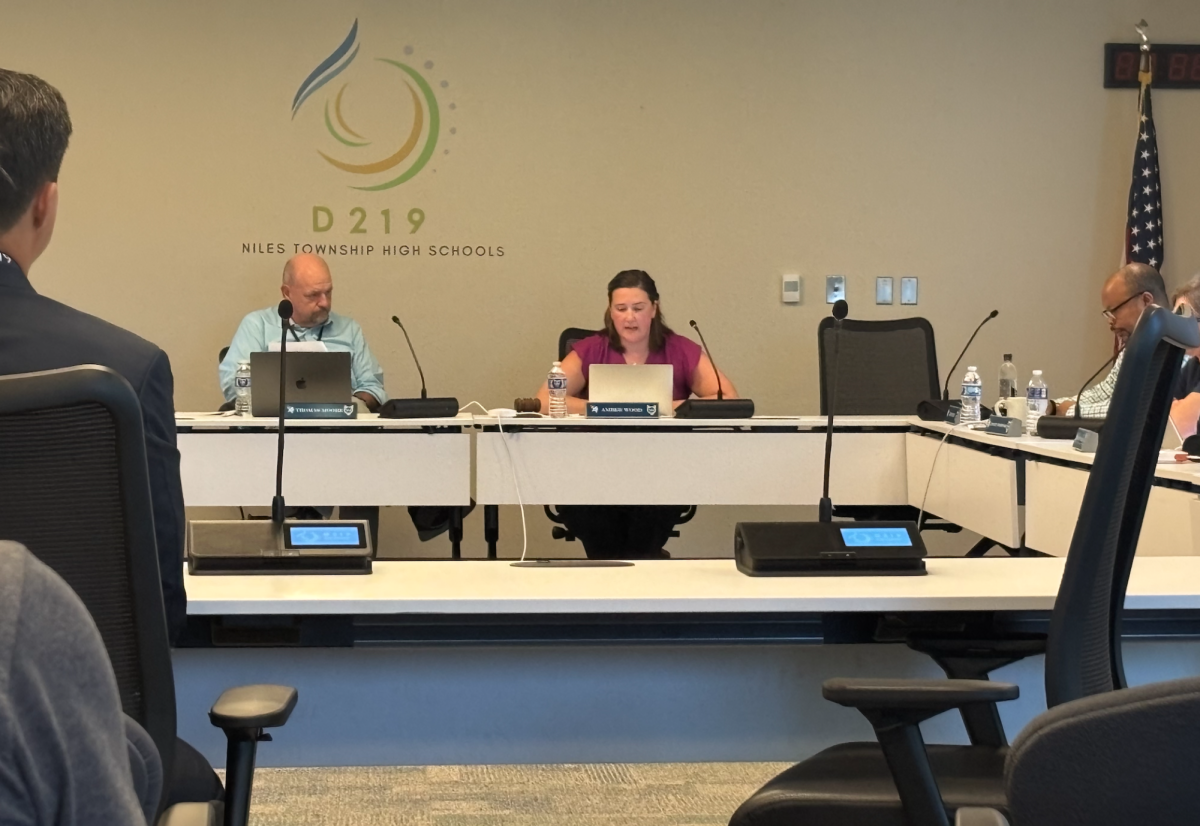
During public comment at the district board meeting on April 7, several students, including senior Jonathan Bedolla, expressed their dissatisfaction with the current calendar and suggested a religiously conscious one that cancels school for some religious holidays.
“To fully enjoy, without conflict of any sort, the school’s amazing teachers, fruitful academics, and great community, we cannot have religiously induced absences interfering with us,” Bedolla said. “It’s not to say that religion is an impediment to our students; it’s to say that our religiously neutral calendar is.”
Three other students and one adult made comments at this meeting to a similar regard.
Social studies teacher John Lee agrees with the sentiments expressed at the meeting. Teachers and staff who are observing a religious holiday are allowed to use sick days.
“I would prefer a religiously conscious school calendar as a practicing Christian myself,” Lee said. “With a school that has a large population who follow one of the Abrahamic Faiths, in addition to other religious groups, it seems unfair to have teachers and students to use an absence. It would solve a lot of attendance issues as well.”
Leaders of West’s religious clubs also expressed their opinions about the current calendar. Jewish students have suggested having days off for the fall Jewish holidays of Yom Kippur and Rosh Hashanah.
“I think that in such a diverse school, it only makes sense to have a culturally inclusive calendar. Not only is it a way for the district to actualize their value of ‘welcoming and celebrating diversity,’ but practically it would increase attendance of students who have to miss school for religious observances,” senior and Jewish Student Association co-president Orli Eisenberg said.
A religiously conscious calendar would likely result in a school year that ends later in May. The last day of classes for seniors in the 2025-2026 school year is May 14.
“There can be difficulties with adding extra days to the end of the year. Kids who take AP exams might have more days that are ‘useless,’ and it could affect how we plan finals week. However, I think lots of Muslim students would be in favor of a religiously conscious calendar,” senior and Muslim Student Association co-president Salwa Mohiuddin said.
Prior to 2017, the calendar included days off for some religious holidays including Eid, Good Friday and Rosh Hashanah. During the 2016-2017 school year, discussions about changes to a religiously neutral calendar were met with negative reception from students. A comment from a student on this NWN article from 2016 shows a student’s discontent with the decision.
“Our school can easily have 6 or 7 days off,” the student wrote. “School should survey that if there are around 200 students (10% of student body) celebrating a certain religious festival, then the school should provide a holiday.”
Another concern from the district is that this potential calendar would make the semesters unequal in length. Chicago Public Schools, Evanston Township High School and Maine Township High Schools do not observe Muslim or Jewish holidays in their calendars.
“I have personally had to take off from school and had to make up work or missed tests/quizzes when I returned, even having to do homework during a day of religious observance,” Eisenberg said. “To me, this is incredibly frustrating, and oftentimes takes away from my engagement in the respective holiday. I think that for these reasons, it is worth a slight elongation in the school year.”
District 219 school year calendars through 2029 have already been approved and are published on the district site.
“Personally, I value a school environment that is mindful of religious observances, but I see there is no perfect solution,” science teacher Amina Hasan said. “What matters most to me is maintaining a culture of respect, flexibility, and support for students and staff of all backgrounds.”